
The Dark History of the Jesuits
The Jesuits (Society of Jesus) were a Roman Catholic religious order founded by Ignatius of Loyola in 1540, emerging during the Protestant Reformation as a major instrument of the Catholic Counter-Reformation. They devoted themselves to defending papal authority, strengthening Roman Catholic doctrine, educating clergy and laity, and opposing the spread of Protestantism through preaching, scholarship, missions, and political influence. Protestants historically viewed the Jesuits as among the most disciplined and effective defenders of the papacy and opponents of the Reformation, particularly because of their efforts to restore Roman Catholic influence in regions where Protestantism had gained ground.
Origins
The Society of Jesus, commonly known as the Jesuits, arose in the turbulent religious climate of the Protestant Reformation. Founded by Ignatius of Loyola and several companions, the order received papal approval from Pope Paul III in 1540. From its beginning, the Society was committed to strengthening the Roman Church, defending its doctrines, advancing papal authority, and confronting the growing influence of Protestantism. Through education, preaching, missions, scholarship, and close service to the papacy, the Jesuits became one of Rome's most influential instruments in the Counter-Reformation.
Reputation
The Jesuits acquired a reputation as the most formidable and uncompromising defenders of the Roman papacy during the Counter-Reformation. Their strict discipline, intellectual training, missionary zeal, and extraordinary commitment to obedience made them an effective instrument for advancing Rome's interests. Protestant critics particularly objected to their willingness to employ political influence, education, controversy, and at times clandestine methods in opposition to Protestantism. Jesuits were involved in the religious conflicts of the sixteenth and seventeenth centuries, including missionary efforts intended to recover territories lost to Protestantism and participation in the political and ecclesiastical struggles surrounding Catholic princes.
Outcome
The modern Jesuit order continues to exercise significant influence through education, scholarship, diplomacy, media, and political engagement. Protestant critics have especially questioned Jesuit involvement in ecumenism, political affairs, and efforts to preserve or expand Roman Catholic influence in the modern world. The jesuits continued commitment to papal authority leads Protestants to view the order as an important and dangerous modern instrument of Rome's religious and cultural influence.
The Dark Teachings of the Jesuit Scholars

Who the Casuists were
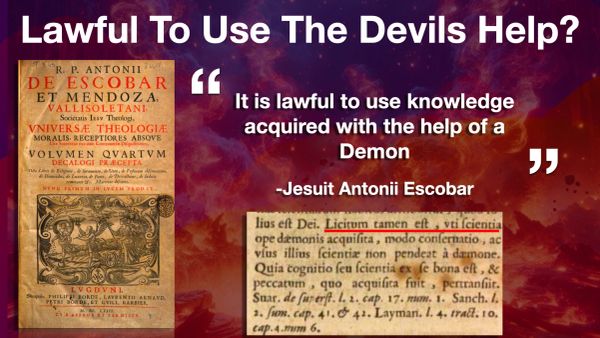
The Jesuit casuists were theologians and moralists who developed elaborate systems of casuistry—the application of moral principles to difficult or disputed cases of conscience. Protestant critics became especially suspicious of their methods, arguing that subtle distinctions could be used to excuse conduct that Scripture plainly condemned.
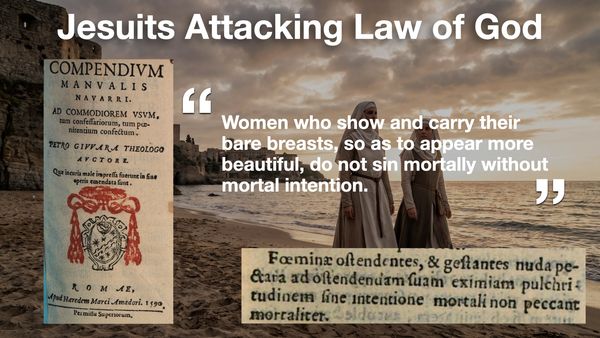
Lewd Principles
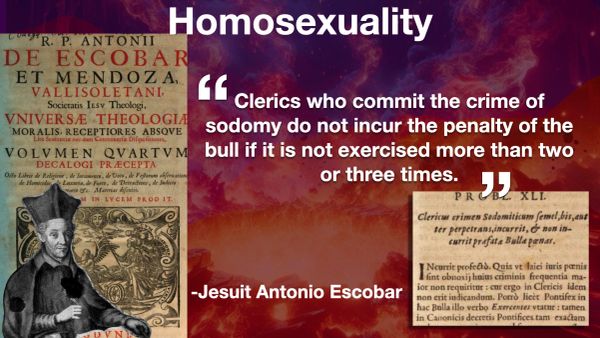
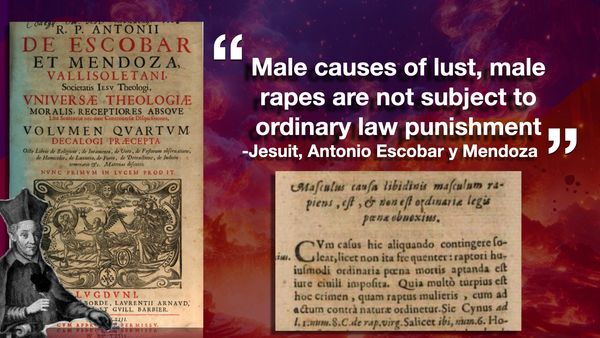
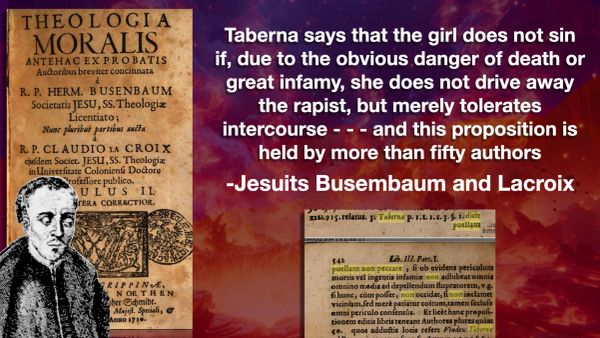
Some Jesuit casuists developed remarkably permissive and controversial moral arguments centuries before the modern scandals that have brought widespread scrutiny upon Roman Catholic institutions. Their writings included intricate distinctions concerning sexual morality, intention, and the circumstances under which otherwise sinful conduct might be excused.
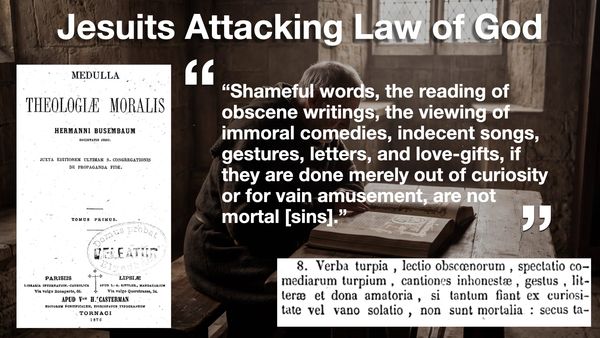
Examples of Error
From a Protestant perspective, these teachings illustrated the danger of a moral system in which sophisticated casuistry could be employed to justify what biblical principles plainly condemn.
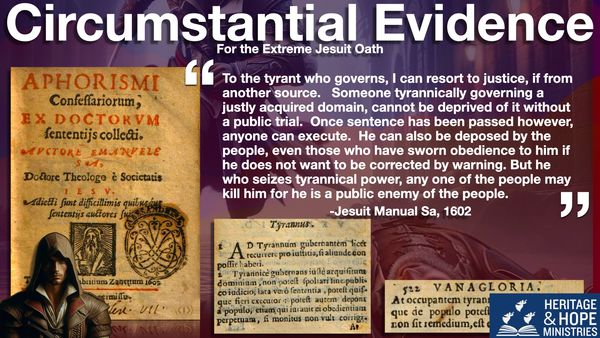
Evidence for the Extreme Oath
The historical evidence for the alleged extreme Jesuit oath is limited, and its authenticity has been seriously questioned. Nevertheless, Protestant critics have argued that the broader principles attributed to the oath find circumstantial support in Jesuit history, particularly in the order's strong commitment to obedience, defense of the papacy, and opposition to Protestantism.
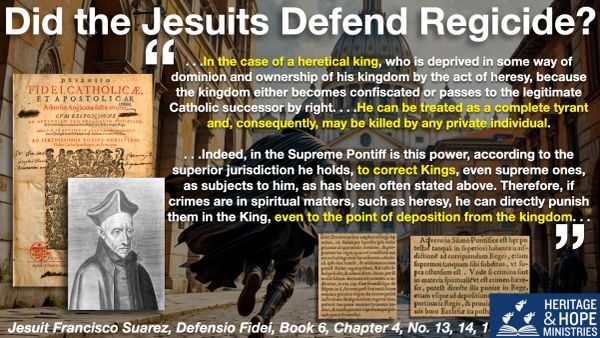
Evidence for the Extreme Oath
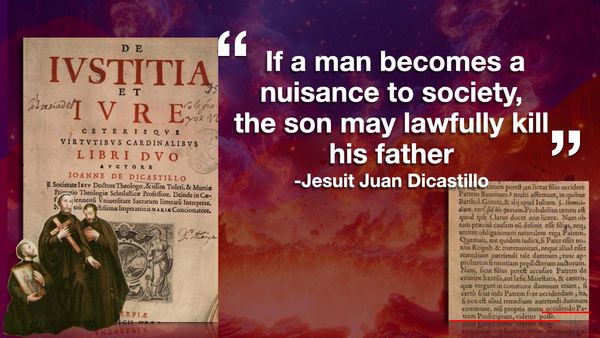
Jesuit theologians became associated with the controversial doctrine that tyrannical rulers could, under certain circumstances, be lawfully resisted or even killed.

Dark Principles
Jesuit theologians became associated with many doctrines which protestants look at with grave concern.
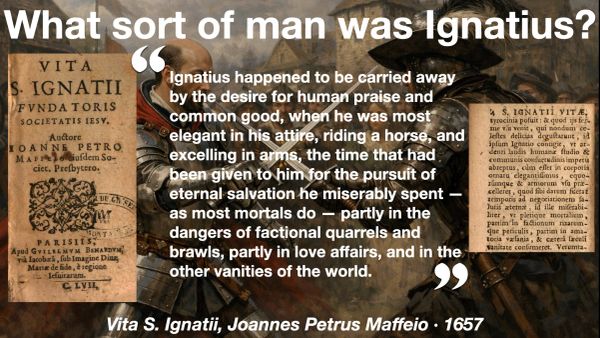
Ignatius Background
Before his conversion, Ignatius of Loyola had the reputation of a worldly Spanish nobleman and soldier, known for his ambition, courtly pursuits, love of military glory, and concern for personal honor. His early life was shaped more by the ideals of chivalry, warfare, and worldly distinction than by the religious devotion that later supposedly characterized him.
Prophetic Interpretation
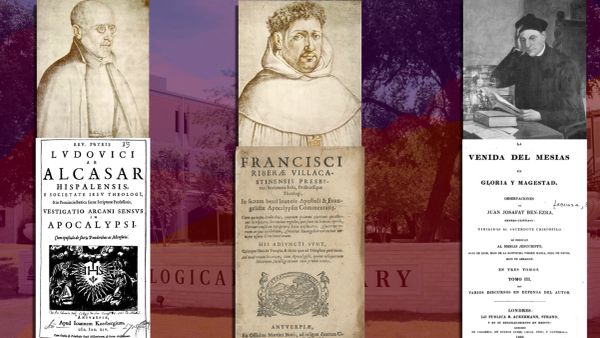
During the Counter-Reformation, Jesuit scholars developed influential alternative interpretations of biblical prophecy that shifted attention away from the Protestant identification of the papacy with the prophetic Antichrist. Luis de Alcázar advanced a largely preterist interpretation, locating much of Revelation's fulfillment in the early Christian era, while Francisco Ribera developed a futurist interpretation that placed major prophetic fulfillments in the end time. Later, Manuel Lacunza, another Jesuit, further developed futurist themes. From a historicist Protestant perspective, these approaches were significant because they offered competing readings of prophecy at a time when Protestant interpreters were widely applying Daniel and Revelation to the historical rise and development of the papal system.
Rejection of God's law
The Jesuit theological system contributed to what critics regarded as a perversion of God's law by placing ecclesiastical authority and human tradition alongside—or above—the plain commands of Scripture. Their casuistic reasoning often introduced subtle distinctions that could soften the force of biblical moral principles.

Rejection of God's law
The Jesuit theological system contributed to what critics regarded as a perversion of God's law by placing ecclesiastical authority and human tradition alongside—or above—the plain commands of Scripture. Their casuistic reasoning often introduced subtle distinctions that could soften the force of biblical moral principles.
Rejection of God's law
The Jesuit theological system contributed to what critics regarded as a perversion of God's law by placing ecclesiastical authority and human tradition alongside—or above—the plain commands of Scripture. Their casuistic reasoning often introduced subtle distinctions that could soften the force of biblical moral principles.
Rejection of God's law
The Jesuit theological system contributed to what critics regarded as a perversion of God's law by placing ecclesiastical authority and human tradition alongside—or above—the plain commands of Scripture. Their casuistic reasoning often introduced subtle distinctions that could soften the force of biblical moral principles.
Jesuit Crimes

Rejection of God's law
The Jesuit theological system contributed to what critics regarded as a perversion of God's law by placing ecclesiastical authority and human tradition alongside—or above—the plain commands of Scripture. Their casuistic reasoning often introduced subtle distinctions that could soften the force of biblical moral principles.
Rejection of God's law
The Jesuit theological system contributed to what critics regarded as a perversion of God's law by placing ecclesiastical authority and human tradition alongside—or above—the plain commands of Scripture. Their casuistic reasoning often introduced subtle distinctions that could soften the force of biblical moral principles.
Rejection of God's law
The Jesuit theological system contributed to what critics regarded as a perversion of God's law by placing ecclesiastical authority and human tradition alongside—or above—the plain commands of Scripture. Their casuistic reasoning often introduced subtle distinctions that could soften the force of biblical moral principles.
Elevating the Pope
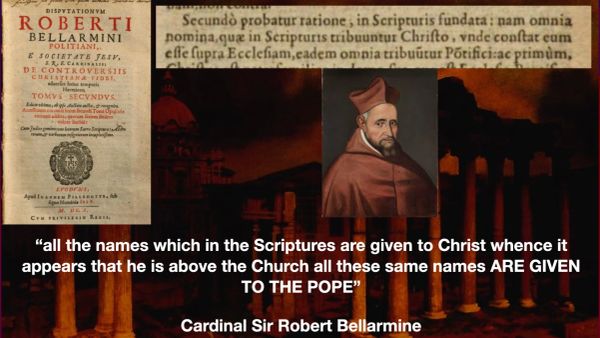
Robert Bellarmine, in defending the papal office, argued that titles and prerogatives belonging to Christ in Scripture could, in a representative or ministerial sense, be applied to the Roman pontiff. Protestant critics regarded such reasoning as a dangerous exaltation of the pope, believing that it blurred the distinction between Christ, the sole Head of the Church, and His supposed human representative. They therefore viewed Bellarmine's claims as evidence of the extreme claims made for papal authority.
Rejection of God's law
The Jesuit theological system contributed to what critics regarded as a perversion of God's law by placing ecclesiastical authority and human tradition alongside—or above—the plain commands of Scripture. Their casuistic reasoning often introduced subtle distinctions that could soften the force of biblical moral principles.
Rejection of God's law
The Jesuit theological system contributed to what critics regarded as a perversion of God's law by placing ecclesiastical authority and human tradition alongside—or above—the plain commands of Scripture. Their casuistic reasoning often introduced subtle distinctions that could soften the force of biblical moral principles.

Rejection of God's law
The Jesuit theological system contributed to what critics regarded as a perversion of God's law by placing ecclesiastical authority and human tradition alongside—or above—the plain commands of Scripture. Their casuistic reasoning often introduced subtle distinctions that could soften the force of biblical moral principles.
Rejection of God's law
The Jesuit theological system contributed to what critics regarded as a perversion of God's law by placing ecclesiastical authority and human tradition alongside—or above—the plain commands of Scripture. Their casuistic reasoning often introduced subtle distinctions that could soften the force of biblical moral principles.
Rejection of God's law
The Jesuit theological system contributed to what critics regarded as a perversion of God's law by placing ecclesiastical authority and human tradition alongside—or above—the plain commands of Scripture. Their casuistic reasoning often introduced subtle distinctions that could soften the force of biblical moral principles.
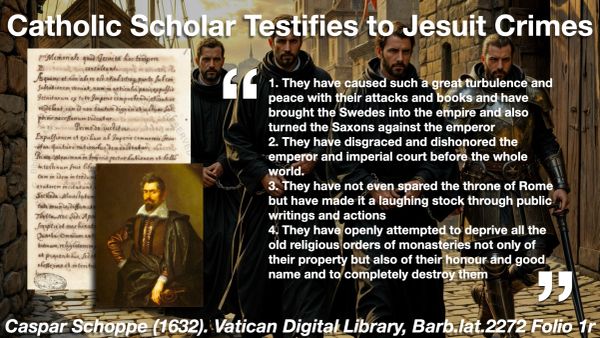
Catholic Scholars Lament Crimes
Even within Roman Catholic circles, the Jesuits were not without serious critics. Caspar Schoppe (Scioppius), a Catholic convert and controversialist, became sharply critical of Jesuit theology and political influence, particularly their casuistry and teachings concerning obedience and resistance to rulers. His criticisms demonstrate that objections to Jesuit methods were not merely Protestant inventions, but were also raised by Catholic writers who believed certain Jesuit teachings and practices had become excessive or dangerous.
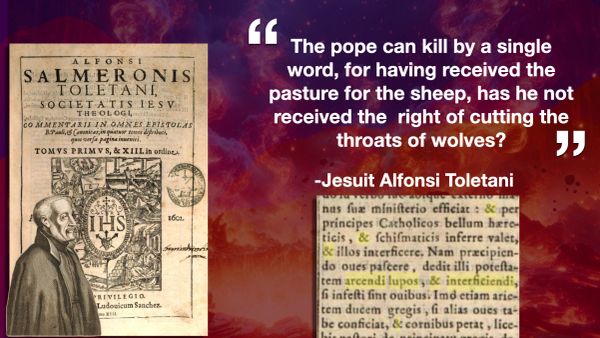
Rejection of God's law
The Jesuit theological system contributed to what critics regarded as a perversion of God's law by placing ecclesiastical authority and human tradition alongside—or above—the plain commands of Scripture. Their casuistic reasoning often introduced subtle distinctions that could soften the force of biblical moral principles.

Rejection of God's law
The Jesuit theological system contributed to what critics regarded as a perversion of God's law by placing ecclesiastical authority and human tradition alongside—or above—the plain commands of Scripture. Their casuistic reasoning often introduced subtle distinctions that could soften the force of biblical moral principles.
Jesuit Legacy
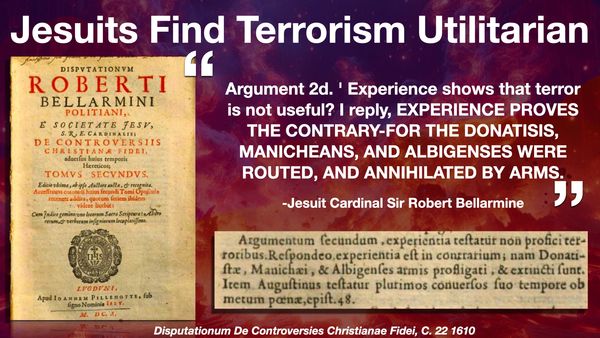
Jesuits Advocating Terrorism
Bellarmine pointed to the historical success of terrorisstic suppression of groups such as the Donatists, Manichaeans, and Albigenses as evidence that coercive measures against heresy could be effective in defending the unity of the Church. He regarded the punishment and suppression of persistent heresy as having produced beneficial results for Catholicism. These were very concerning to protestants
Rejection of God's law
The Jesuit theological system contributed to what critics regarded as a perversion of God's law by placing ecclesiastical authority and human tradition alongside—or above—the plain commands of Scripture. Their casuistic reasoning often introduced subtle distinctions that could soften the force of biblical moral principles.ut your business here.
Rejection of God's law
The Jesuit theological system contributed to what critics regarded as a perversion of God's law by placing ecclesiastical authority and human tradition alongside—or above—the plain commands of Scripture. Their casuistic reasoning often introduced subtle distinctions that could soften the force of biblical moral principles.ut your business here.r service you'd like to show.
Rejection of God's law
The Jesuit theological system contributed to what critics regarded as a perversion of God's law by placing ecclesiastical authority and human tradition alongside—or above—the plain commands of Scripture. Their casuistic reasoning often introduced subtle distinctions that could soften the force of biblical moral principles.ut your business here.r service you'd like to show.

Rejection of God's law
The Jesuit theological system contributed to what critics regarded as a perversion of God's law by placing ecclesiastical authority and human tradition alongside—or above—the plain commands of Scripture. Their casuistic reasoning often introduced subtle distinctions that could soften the force of biblical moral principles.ut your business here.r service you'd like to show.
Rejection of God's law
The Jesuit theological system contributed to what critics regarded as a perversion of God's law by placing ecclesiastical authority and human tradition alongside—or above—the plain commands of Scripture. Their casuistic reasoning often introduced subtle distinctions that could soften the force of biblical moral principles.ut your business here.r service you'd like to show.
The Bible as a Waxen Nose
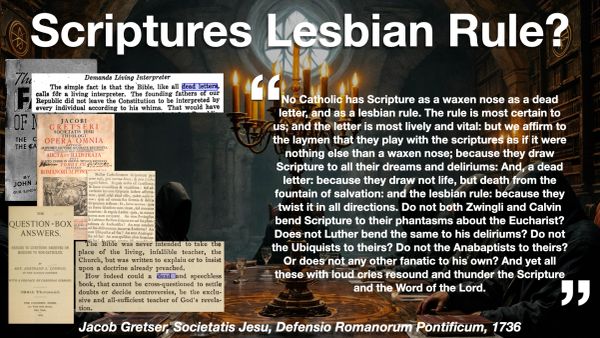
Although Jesuit writers rejected the Protestant charge that they treated Scripture as a “waxen nose”—something that could be twisted to suit any interpretation—and denied that the Bible was merely a “dead letter,” critics have pointed to later works like The Question Box Answers that described Scripture in precisely such terms. From a Protestant perspective, this apparent contradiction illustrates the tension between Rome's professed reverence for Scripture and its insistence that Scripture must be interpreted under ecclesiastical authority. The issue, therefore, was not simply whether Jesuits possessed the Bible, but whether Scripture itself or the Church ultimately possessed final authority in determining its meaning.
Later Crimes?
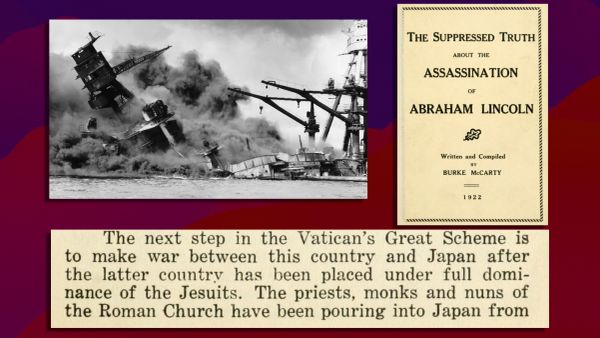
Burke McCarty's The Suppressed Truth of the Assassination of Abraham Lincoln presents an alternative interpretation of Lincoln's assassination, arguing that important evidence and testimony concerning the conspiracy were suppressed or overlooked. McCarty challenges the conventional account and emphasizes the possible involvement of broader political and religious interests behind the assassination. It commented about a yet future attack from Japan by the jesuits, years before Pearl Harbor
Later Influence
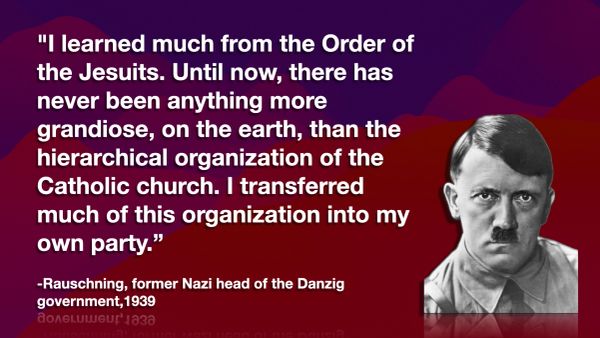
Hermann Rauschning, a former Nazi political figure who later broke with Hitler, drew comparisons between National Socialist organization and the Jesuits, arguing that the Nazis could learn from the Jesuits' discipline, hierarchical structure, and methods of ideological formation. His writings portrayed the Jesuits as an example of a highly organized movement capable of molding members into instruments of a larger cause.
Preterism
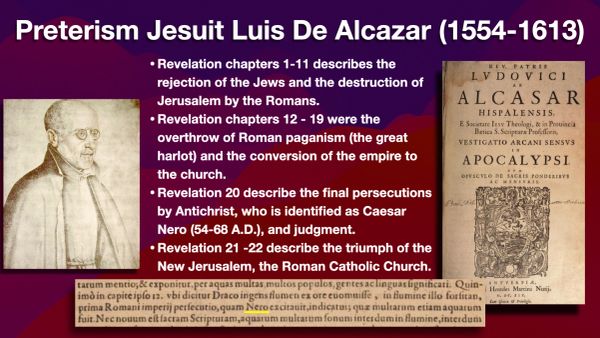
Luis de Alcázar (1554–1613), a Spanish Jesuit scholar, became one of the earliest major architects of the preterist interpretation of Revelation during the Counter-Reformation. In his Vestigatio Arcani Sensus in Apocalypsi, he argued that much of Revelation's prophecy had already been fulfilled in the early history of Christianity, particularly in the struggles between the early Church and pagan Rome. From a Protestant historicist perspective, Alcázar's approach was significant because it redirected prophetic fulfillment away from the long historical development of the papacy and toward the ancient past, providing an important alternative to the Protestant historicist interpretation of Revelation.
Futurism
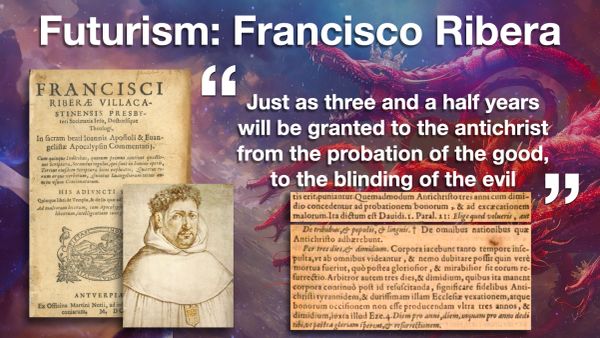
Francisco Ribera (1537–1591), a Spanish Jesuit theologian, developed an influential futurist interpretation of biblical prophecy in his commentary In Sacram Beati Ioannis Apostoli et Evangelistae Apocalypsin Commentarii. Published in 1590, Ribera placed much of Revelation's major prophetic fulfillment in a brief period immediately preceding Christ's Second Coming, thereby shifting attention away from the centuries-long historical application emphasized by Protestant historicists.